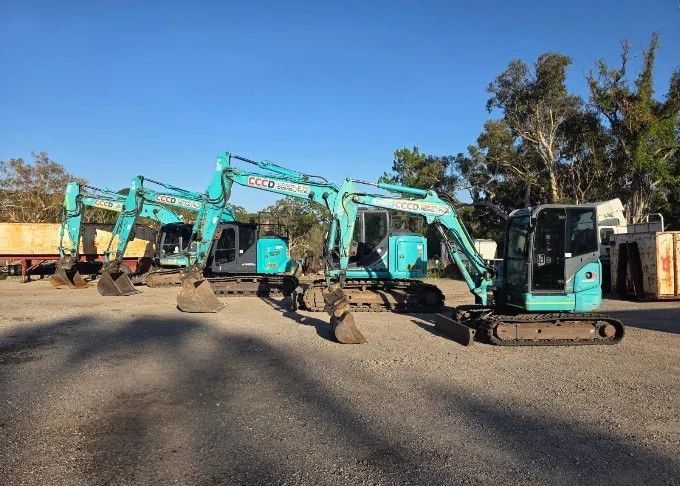
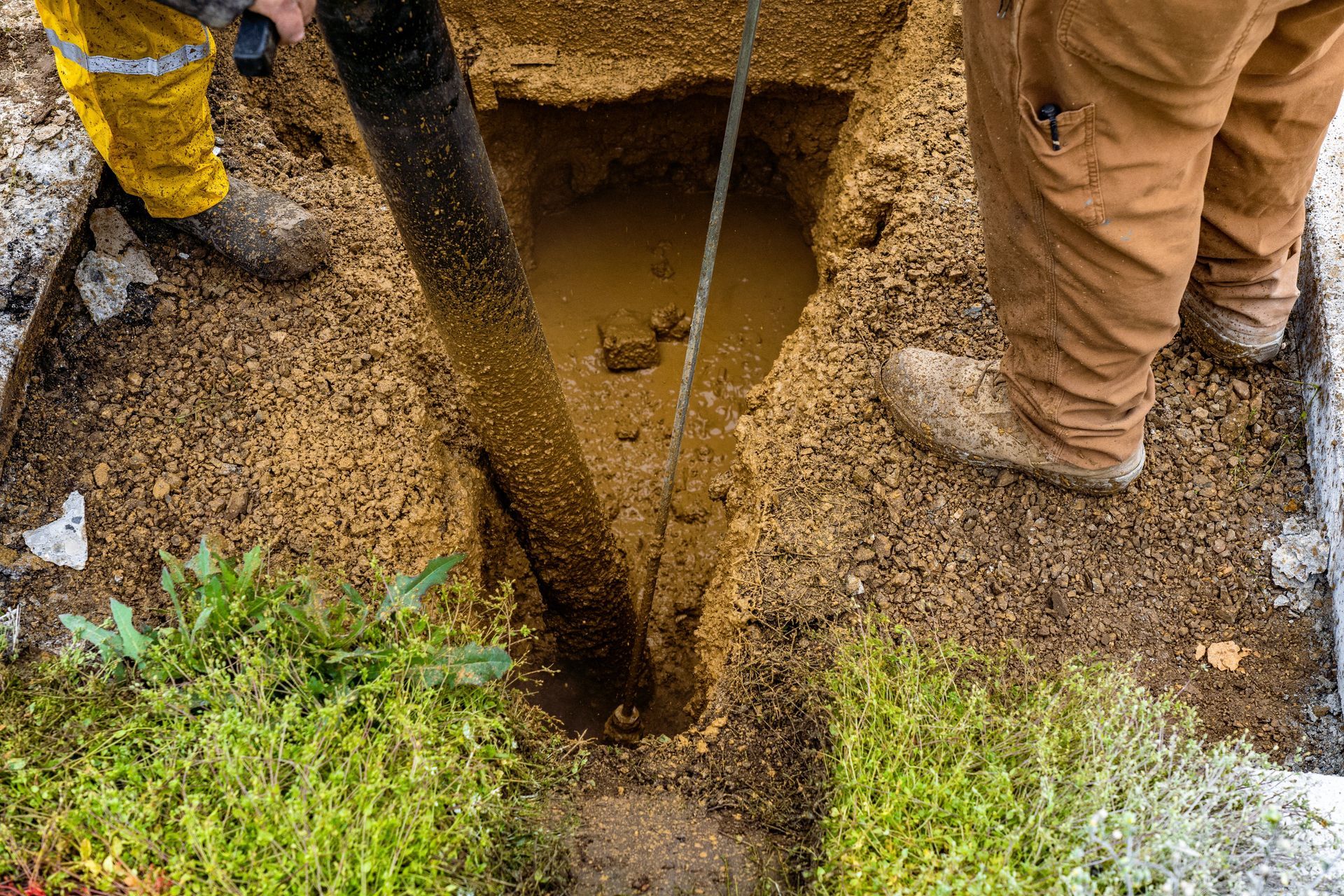
Excavation For Sewer & Drainage Projects
A well-functioning sewer or drainage system rarely draws attention when it works as intended, yet the success of these systems begins long before pipes are laid. Excavation plays a defining role in how effectively wastewater and stormwater are managed, influencing everything from flow efficiency to long-term structural stability. Whether for residential developments or large-scale infrastructure, the groundwork must be precise, compliant and carefully coordinated, particularly when it comes to excavation Central Coast projects, where local conditions and regulations must be carefully considered. Poor excavation practices can lead to costly failures, environmental risks and ongoing maintenance issues. Understanding how professional excavation integrates with sewer and drainage projects reveals why expertise, planning and execution are non-negotiable in achieving reliable outcomes.
Precision Trenching Sets The Foundation For Performance
Accurate trenching is where system reliability begins: the depth, width and alignment must match engineering specifications to ensure proper pipe installation and flow gradients. Even minor deviations can disrupt drainage efficiency or create long-term stress points.
The following factors highlight why precision trenching is critical:
- Correct gradient ensures consistent water flow
- Uniform trench width supports pipe stability
- Accurate depth prevents surface load damage
- Alignment reduces risk of joint failure
Professional excavation services on the Central Coast rely on advanced equipment and surveying methods to maintain exact tolerances. This level of accuracy ensures pipes are neither under strain nor prone to misalignment, helping avoid issues such as blockages, backflow or premature system wear.
Soil Assessment Determines Long-Term Stability
Understanding ground conditions is essential before excavation begins: soil type, moisture content and load-bearing capacity all influence how trenches are prepared and supported.
Key soil considerations include:
- Reactive soils that expand or contract
- Sandy soils prone to collapse
- Clay soils affecting drainage behaviour
- Groundwater presence impacting excavation depth
Earthmoving on the Central Coast often involves adapting excavation techniques to suit site-specific conditions. Without proper assessment, trenches can shift, settle or erode, leading to pipe damage or misalignment. Professional teams incorporate geotechnical insights into excavation planning, ensuring a stable base for sewer and drainage systems.
Proper Bedding Supports Pipe Integrity
The material beneath and around pipes plays a vital role in preventing movement and damage: improper bedding can create uneven pressure points that compromise system longevity.
Essential bedding practices include:
- Using appropriate granular materials
- Ensuring even distribution beneath pipes
- Compacting layers to prevent settling
- Avoiding sharp debris that may damage pipes
Excavation services on the Central Coast integrate bedding preparation as part of a complete earthworks approach. By creating a consistent support layer, contractors help maintain pipe alignment and reduce the likelihood of cracking or displacement over time.
Coordination With Engineers & Plumbers Ensures Accuracy
Excavation does not occur in isolation: it must align with engineering plans and plumbing requirements to deliver a functional system.
Effective coordination involves:
- Interpreting design specifications accurately
- Adjusting excavation to suit on-site conditions
- Communicating with plumbers during installation
- Ensuring compliance with hydraulic designs
Earthworks on the Central Coast demand collaboration between multiple professionals. When excavation teams work closely with engineers and plumbers, the result is a seamless installation process that reduces errors and ensures system performance meets design expectations.
Compliance With Regulations Protects Projects
Sewer and drainage excavation must meet strict regulatory standards: these requirements ensure safety, environmental protection and system reliability.
Key compliance areas include:
- Adhering to local authority guidelines
- Managing sediment & erosion control
- Following safe trenching practices
- Ensuring correct pipe placement standards
Site preparation involves more than just digging; it requires a thorough understanding of regulatory frameworks. Professional contractors stay up to date with compliance requirements, helping projects avoid delays, fines or rework due to non-compliance.
Drainage Failures Often Stem From Poor Excavation
Many drainage issues originate below the surface: incorrect excavation can lead to long-term problems that are expensive and disruptive to fix.
Common excavation-related failures include:
- Incorrect trench gradients causing water pooling
- Poor compaction leading to pipe movement
- Inadequate drainage around pipes
- Soil instability affecting system alignment
Land clearing and subsequent excavation must be approached with care to prevent these issues. Professional excavation minimises risks by ensuring every stage, from clearing to trenching, supports proper drainage function.
Advanced Equipment Improves Efficiency & Accuracy
Modern excavation relies on specialised machinery: advanced equipment allows for greater precision, efficiency and safety during sewer and drainage projects.
Benefits of using advanced equipment include:
- GPS-guided excavation for accuracy
- Reduced manual labour & human error
- Faster project completion times
- Improved safety on complex sites
Excavation increasingly incorporates technology-driven solutions to meet project demands. These tools enable contractors to achieve consistent results while maintaining tight project timelines and safety standards.
Thorough Site Preparation Prevents Future Issues
A well-prepared site reduces the likelihood of complications during and after installation: preparation extends beyond excavation to include clearing, levelling and stabilising the area.
Comprehensive site preparation includes:
- Removing vegetation & obstructions
- Grading land for proper water flow
- Compacting soil to support infrastructure
- Identifying potential underground hazards
Earthmoving integrates site preparation as a critical first step in sewer and drainage projects. Proper preparation ensures excavation can proceed smoothly and supports the long-term performance of the installed system.
Build Reliable Infrastructure With The Right Team
We at Complete Demolition provide specialised excavation and earthmoving services designed to support sewer and drainage projects with precision and reliability. Working across the Central Coast, we understand the local ground conditions, compliance requirements and project challenges that impact successful outcomes. Our team collaborates closely with builders, plumbers and engineers to ensure every stage of excavation is executed to exact standards. If you are planning a project or need expert support, contact us today to discuss how we can deliver safe, compliant and efficient results.