Timeline of a Typical Local Demolition Project
Starting a demolition project can feel like stepping into the unknown. Whether it’s clearing space for a new build or removing an unsafe structure, there are several stages involved before the site is ready for its next chapter. Understanding how demolition on the Central Coast unfolds can help reduce uncertainty, support planning and highlight the importance of following the correct processes from the outset.
Below is a clear walkthrough of what typically happens during a local demolition project, including the steps involved and the timeframes that may apply.
1. Initial Consultation & Site Assessment
Every project begins with a conversation and a closer look at the site. This stage helps determine the scope of work and any site-specific considerations that may affect the timeline.
During this phase, the contractor will usually:
- Visit the property to assess structures, access & surrounding conditions
- Discuss the purpose of the demolition & any future plans for the site
- Identify potential hazards such as asbestos or unstable materials
- Review access points for machinery & waste removal
This step may take a few days to organise and complete, depending on availability and site complexity. It forms the foundation for all planning that follows.
2. Planning & Quotation
Once the site has been assessed, a detailed plan is prepared outlining the proposed demolition approach. This includes identifying equipment requirements, safety measures and waste management processes.
Key elements in this stage include:
- Preparing a written scope of works
- Estimating timeframes & costs
- Outlining safety considerations & site controls
- Identifying any specialist services required, such as asbestos removal
Clients are then provided with a quotation based on these details. This stage can take several days to a week, depending on the size of the project and any additional investigations required.
3. Council Approvals & Permits
Before any physical work begins, approvals must be obtained from the relevant local authorities. This is a critical step in any demolition on the Central Coast, as requirements can vary depending on zoning, structure type and environmental considerations.
This stage typically involves:
- Submitting demolition applications to council
- Providing documentation such as site plans & safety procedures
- Gaining approval for waste disposal & traffic management if required
- Coordinating with utility providers for disconnections
Approval timelines can vary significantly. In some cases, it may take a couple of weeks, while more complex applications can extend beyond a month.
4. Hazard Identification & Removal
Before demolition begins, hazardous materials must be identified and managed appropriately. This step is essential for protecting workers, neighbouring properties and the surrounding environment.
Common tasks include:
- Conducting asbestos inspections & testing
- Removing hazardous materials under controlled conditions
- Implementing dust & contamination controls
- Disposing of hazardous waste according to regulations
The timeframe for this stage depends on the presence and extent of hazardous materials. It may take a few days for minor findings or longer for larger-scale removal work.
5. Site Preparation
With approvals in place and hazards addressed, the site is prepared for demolition. This stage focuses on setting up safe working conditions and ensuring the site is ready for machinery and crews.
Preparation activities often include:
- Disconnecting utilities such as electricity, gas & water
- Installing temporary fencing & signage
- Establishing exclusion zones & safety barriers
- Positioning equipment & organising site access
This stage is typically completed within a few days, although larger or more complex sites may require additional time.
6. Structural Demolition
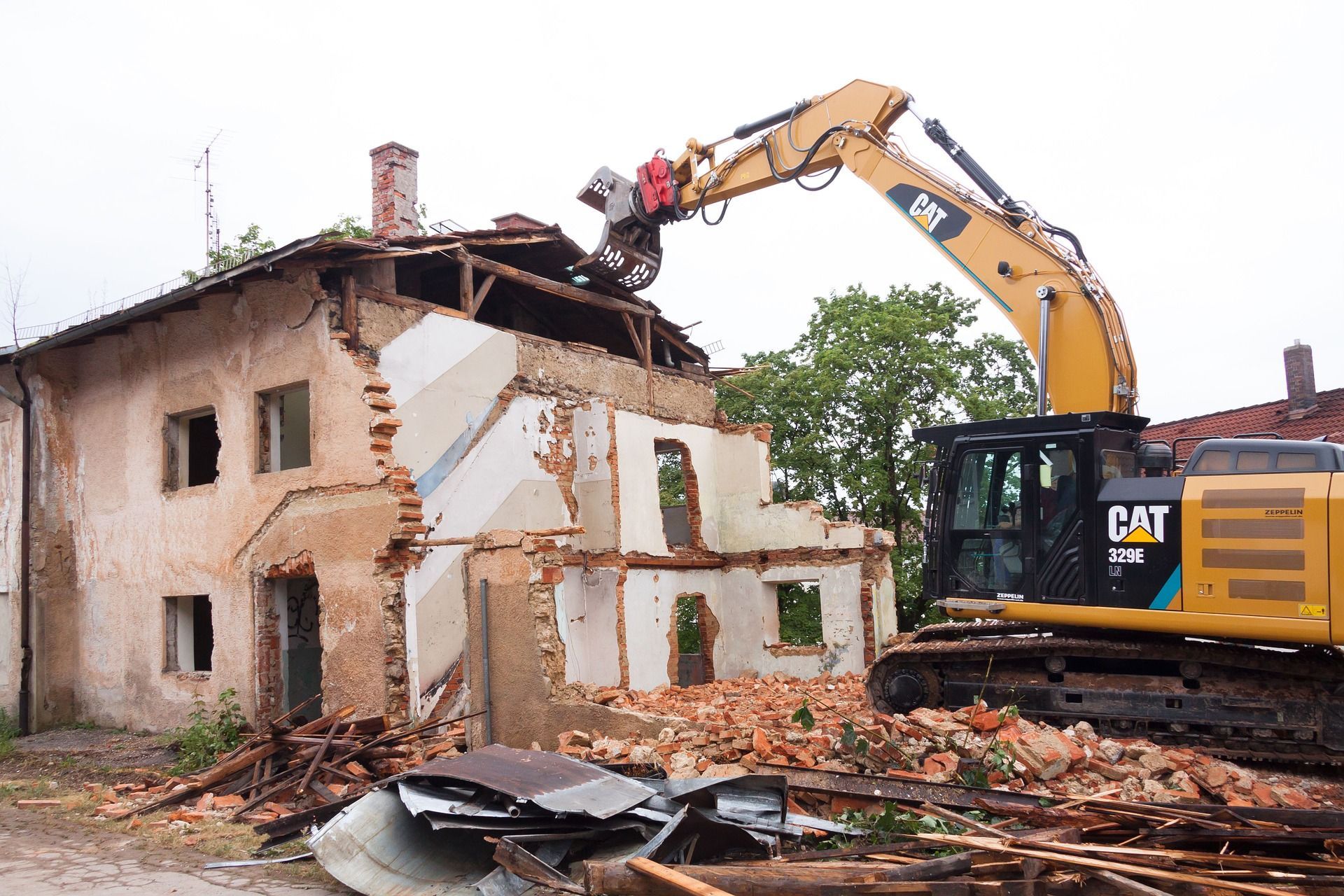
This is the most visible phase of the project, where the structure is physically dismantled or demolished. The method used will depend on the type of building, location and surrounding conditions.
Common demolition methods include:
- Mechanical demolition using excavators & attachments
- Manual demolition for smaller or restricted areas
- Partial demolition where only sections of a structure are removed
- Deconstruction to allow for material recovery & reuse
The duration of this stage can vary widely. Smaller residential demolitions may take a few days, while larger structures or staged demolitions can extend over several weeks.
7. Waste Removal & Site Clearing
Once the structure has been removed, attention shifts to clearing the site and managing debris. Proper waste handling is an important part of the overall process and contributes to site readiness for future work.
This stage typically involves:
- Sorting materials for recycling or disposal
- Removing debris using trucks & bins
- Managing concrete, timber, metal & other materials separately
- Cleaning the site to remove remaining hazards
Depending on the volume of waste, this stage may take several days to complete.
8. Final Inspection & Handover
The final stage involves reviewing the completed work and confirming that the site meets all requirements. This ensures that the area is safe and ready for the next phase of development.
Key steps include:
- Conducting a final site inspection
- Confirming that all waste has been removed
- Checking compliance with approvals & safety requirements
- Preparing the site for construction or landscaping
This stage is usually completed within a day or two, depending on project size and any follow-up requirements.
What Can Affect the Timeline?
While the stages above provide a general guide, several factors can influence how long a demolition project takes:
- Weather conditions that may delay outdoor work
- Unexpected structural issues discovered during demolition
- Delays in council approvals or documentation
- Access limitations or proximity to neighbouring properties
Being aware of these variables can help set realistic expectations and reduce disruptions during the project.
Why Understanding the Process Matters
Having a clear understanding of the demolition timeline allows property owners, contractors and site managers to plan more effectively. It also highlights the importance of working within regulatory frameworks and addressing safety requirements at every stage.
Rather than viewing demolition as a single event, it’s helpful to see it as a structured process involving planning, approvals, preparation, execution and finalisation.
Get in Touch
If you’re planning a demolition project and want clarity around timelines, approvals and site requirements, we at Central Coast Complete Demolition are here to help guide you through the process. From navigating local regulations to managing site-specific challenges such as access limitations and coastal conditions, we can assist with your next step. Get in touch today to discuss your project and organise a consultation.