Excavation Best Practices for Flood-Prone or Sensitive Areas
Excavation projects in flood-prone or environmentally sensitive locations require careful planning and technical awareness. Soil instability, water movement and environmental regulations can quickly turn routine earthworks into complex operations. Managing these risks properly helps protect surrounding ecosystems, infrastructure and construction timelines.
For projects involving excavation on the Central Coast, understanding how to approach site preparation, drainage management and soil stability is essential for maintaining safe and compliant worksites.
Understanding the Risks of Excavation in Flood-Prone Areas
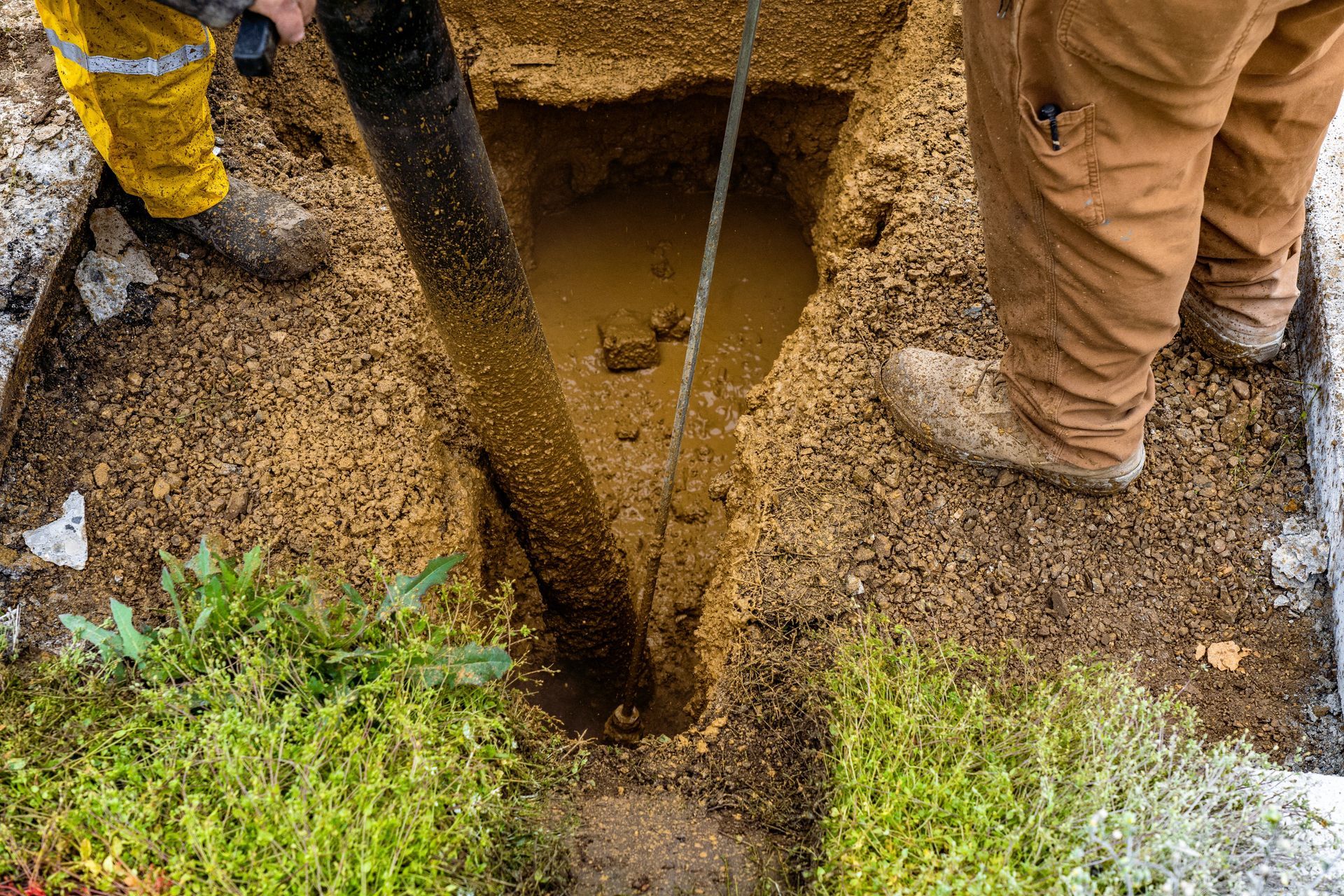
Flood-prone environments present a unique set of challenges for excavation teams. Water movement beneath the surface can destabilise soil, increase erosion and create unexpected changes in ground conditions. Excavation projects must consider these variables from the earliest planning stages.
When working in these environments, contractors often assess hydrology, soil composition and existing drainage patterns before machinery enters the site. These assessments help determine how excavation will affect water flow and the surrounding land.
Key risks commonly identified during planning include:
- Soil erosion caused by moving water
- Sediment runoff entering nearby waterways
- Ground instability from saturated soils
- Floodwater accumulation in excavation pits
- Damage to nearby infrastructure due to shifting ground
Identifying these risks early helps contractors adjust excavation strategies and prevent avoidable project disruptions.
Why Proper Site Preparation Is Critical Before Excavation Begins
Site preparation plays a major role in ensuring excavation work proceeds safely and efficiently. Before excavation begins, a comprehensive evaluation of the site helps determine soil strength, drainage behaviour and environmental sensitivities.
Effective site preparation on the Central Coast often includes surveying, clearing vegetation where required and mapping natural drainage pathways. These early steps allow project teams to anticipate how excavation may influence water flow across the site.
Important preparation measures often include:
- Soil testing to determine stability & moisture content
- Topographical surveying to understand land gradients
- Identifying natural drainage routes & flood channels
- Establishing temporary water diversion systems
- Planning machinery access routes to minimise soil disturbance
Thorough preparation reduces the likelihood of erosion, flooding or structural problems during later construction stages.
Managing Water Flow During Earthworks: Techniques That Protect Your Site
Controlling water movement is one of the most critical aspects of safe excavation in flood-prone areas. Without proper management, even moderate rainfall can quickly flood open trenches or destabilise surrounding soil.
Contractors performing earthworks on the Central Coast frequently implement temporary drainage systems and sediment controls to guide water safely away from excavation zones. These systems help maintain dry working conditions while protecting nearby land and waterways.
Common water management strategies include:
- Temporary diversion channels to redirect runoff
- Sediment barriers to prevent soil entering waterways
- Drainage pits to collect & control excess water
- Pump systems to remove water from excavation areas
- Gradual excavation sequencing to maintain site stability
Managing water effectively allows construction activities to continue while minimising environmental impact.
Choosing the Right Equipment for Challenging Excavation Conditions
Equipment selection can significantly influence the success of excavation in unstable or water-sensitive environments. Heavy machinery that places excessive pressure on soft ground can cause further soil displacement or compaction issues.
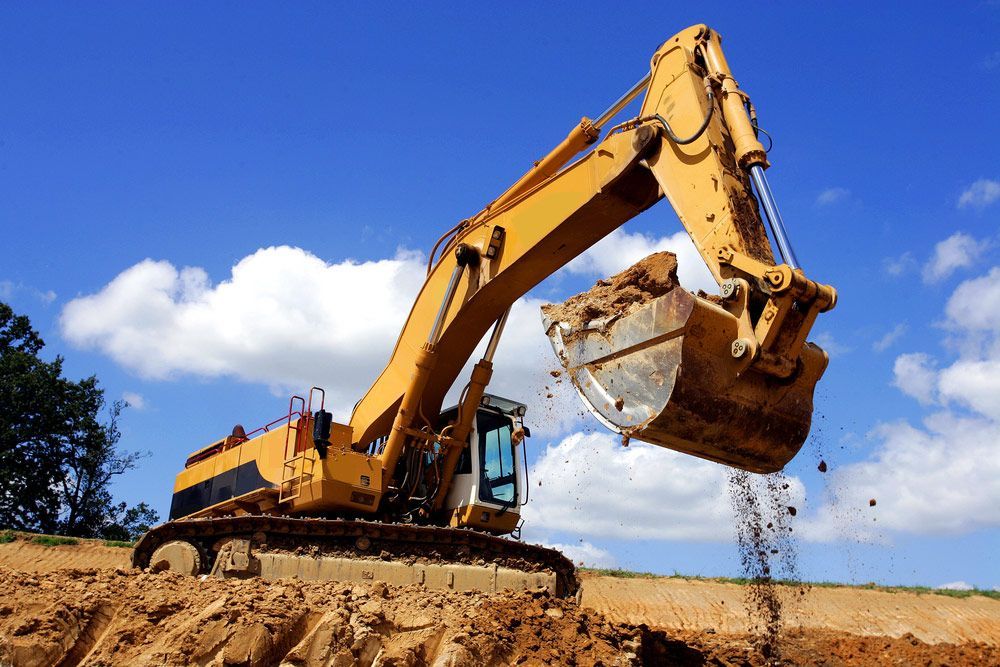
For projects involving earthmoving on the Central Coast, contractors often select machinery designed for better ground distribution and precise control. Tracked equipment can reduce ground pressure and provide improved stability on uneven surfaces.
Appropriate equipment choices may include:
- Tracked excavators for better weight distribution
- Low-ground-pressure machinery for soft soil conditions
- Specialised attachments for precision excavation
- Smaller machinery suited to restricted or sensitive sites
- GPS-assisted grading equipment for accurate earth shaping
Selecting the correct equipment helps maintain site stability while improving operational efficiency.
Land Clearing Strategies That Reduce Environmental Impact
Land clearing is often required to prepare a site for excavation and construction, but it must be approached carefully in environmentally sensitive areas. Improper clearing methods can lead to erosion, sediment runoff and long-term land degradation.
Responsible land clearing on the Central Coast focuses on removing only necessary vegetation while preserving natural ground stability wherever possible. This helps maintain soil structure and reduces disruption to surrounding ecosystems.
Careful clearing strategies often involve:
- Selective vegetation removal instead of full clearing
- Protecting root systems that help stabilise soil
- Retaining natural drainage paths where feasible
- Managing cleared debris to prevent runoff contamination
- Installing erosion control measures immediately after clearing
These practices help balance development needs with environmental responsibility.
Soil Stability Challenges & How Excavation Specialists Manage Them
Soil stability becomes particularly challenging when excavation occurs in areas with high moisture levels or loose ground composition. Saturated soils can collapse easily when disturbed, increasing the risk of trench failure or structural instability.
Professionals delivering excavation services on the Central Coast often apply specialised techniques to manage unstable ground conditions while maintaining worker safety. Methods used to stabilise excavation areas can include:
- Soil compaction to strengthen ground structure
- Temporary retaining systems to support excavation walls
- Reinforcement materials to reduce soil movement
- Gradual excavation stages to avoid sudden collapse
- Slope adjustments that reduce pressure on excavated areas
Managing soil stability carefully ensures construction can proceed without compromising safety or structural integrity.
Meeting Environmental & Regulatory Requirements on Sensitive Sites
Excavation projects near waterways, wetlands or protected land must comply with strict environmental regulations. Contractors must ensure that earthmoving activities do not negatively affect surrounding ecosystems or water quality. Projects involving excavation on the Central Coast may require specific environmental management plans, permits and ongoing monitoring during the construction process.
Regulatory considerations commonly include:
- Sediment & erosion control requirements
- Environmental impact assessments before excavation
- Permits for working near protected waterways
- Monitoring of stormwater runoff & site drainage
- Compliance with local council environmental guidelines
Adhering to these requirements protects the environment while helping projects proceed without regulatory delays.
Planning Excavation Projects to Prevent Delays & Costly Repairs
Careful project planning is essential when working in high-risk environments. Flood-prone areas can change quickly depending on weather conditions, soil saturation and drainage patterns. Contractors responsible for earthmoving on the Central Coast often integrate risk assessments and staged excavation strategies to minimise disruptions during construction.
Effective project planning typically includes:
- Monitoring weather forecasts before major excavation work
- Scheduling excavation during drier periods where possible
- Installing drainage systems early in the project timeline
- Establishing contingency plans for heavy rainfall events
- Ongoing site inspections to identify emerging risks
This proactive approach helps prevent costly repairs, site damage and extended construction timelines.
Planning Safe Excavation in Complex Environments
Projects in sensitive or flood-prone areas demand a careful balance between construction progress and environmental protection. From detailed site preparation to specialised earthworks techniques, every stage of excavation must be planned with stability, drainage and compliance in mind.
At Central Coast Complete Demolition, we provide excavation and earthmoving solutions designed to manage complex site conditions while maintaining safe, efficient project outcomes. If you’re planning excavation work in a challenging environment and need guidance on safe site preparation, drainage management or land clearing, contact our team to discuss how we can assist with your project.