Excavator Hire Vs. Full-Service Excavation Central Coast Contractors: Which Do You Need?
Hiring an excavator can seem like a straightforward option for a property project. You organise the machine, operate it yourself and avoid paying for a contractor’s labour. In practice, however, excavation on the Central Coast involves more than moving soil. Access, underground services, ground conditions, spoil removal, operator competency and safety responsibilities can all affect the real cost and complexity of the job. For property owners deciding between bare excavator hire and a full-service contractor, understanding what each option involves can make the decision clearer.
What Does Bare Excavator Hire Actually Include?
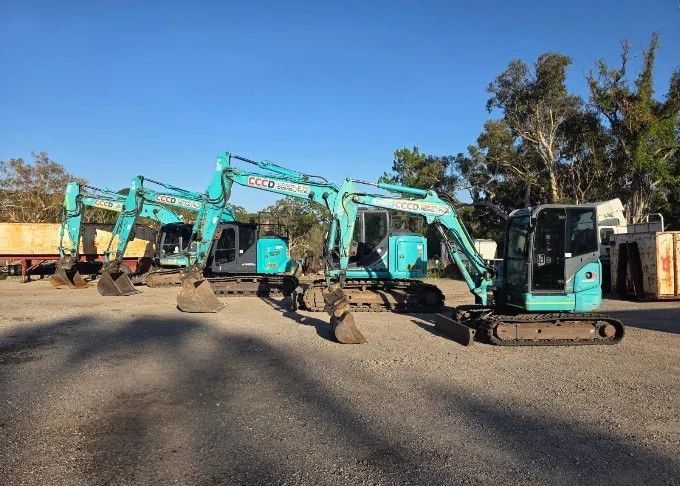
Bare excavator hire generally means hiring the machine without an operator. You are responsible for operating it, planning the excavation and managing the work around it. Delivery, attachments and fuel may also need to be considered. This approach can suit people with relevant experience undertaking straightforward work on an accessible site.
Before comparing the hire rate alone, consider what you will need to manage:
- Choosing a machine and attachments suited to the required work.
- Organising safe access and managing excavated material.
- Operating the machine without damaging nearby surfaces or services.
Bare hire can provide flexibility, but its value depends heavily on the operator’s experience.
Do You Need a Licence to Operate a Hired Excavator?
A common question is whether you need a specific excavator licence. In NSW, a high risk work licence is not generally required simply to operate an excavator. However, businesses conducting excavation and earthmoving work still have obligations around operator competency, training, instruction and supervision. Construction work can also involve broader work health and safety requirements.
There are several compliance points to understand:
- Excavation work may fall under construction work requirements.
- Operators still need suitable skills and competency.
- A Safe Work Method Statement may be required for high-risk construction work.
For larger or more complex jobs, these responsibilities can change the real cost of doing the work yourself.
Why Site Conditions Matter More Than Machine Size
Choosing an excavator based only on size can overlook some of the common excavation challenges that influence how efficiently work can be completed. Sloping land, limited access, unstable ground, retaining structures and nearby buildings can all affect machine selection. A larger machine may be faster in theory but difficult to manoeuvre safely on a constrained site.
Important site factors include:
- Gate widths and the space available for turning or repositioning.
- Soil type, slope and ground stability.
- Nearby fences, walls, buildings and other features requiring protection.
Assessing the site before machinery arrives can help prevent delays and avoid unnecessary disturbance.
Underground Services Can Change the Job Completely
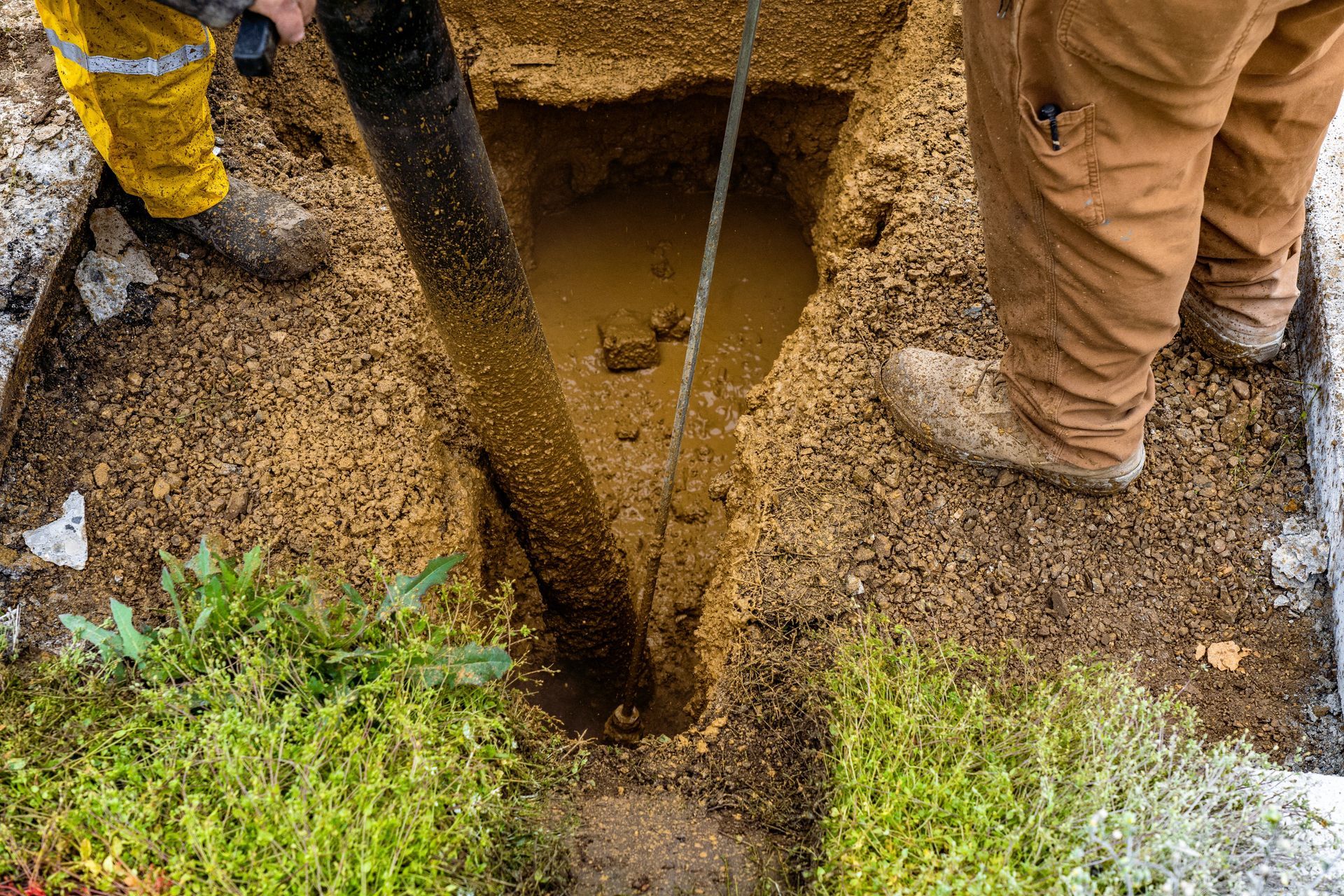
One of the most important parts of excavation on the Central Coast is establishing what may be below the surface before digging starts. Electricity, gas, telecommunications, water and drainage infrastructure can create serious hazards if damaged. Underground service information should be obtained and reviewed before excavation begins.
Preparation before digging should account for:
- Available information about underground services.
- The location and likely depth of known infrastructure.
- A safe excavation method where machinery will operate nearby.
This is one area where experience can make a significant difference because safe excavation starts before the bucket enters the ground.
What Does a Full-Service Excavation Contractor Handle?
Full-service excavation involves engaging a contractor to manage both the machinery and the work required to complete the project. Depending on the job, that may include trenching, bulk excavation, footing preparation, levelling, drainage work and spoil management. One of the benefits of hiring an excavation company is that machine operation forms part of a broader service rather than becoming another task for the property owner to coordinate.
A contractor may handle several connected elements:
- Selecting machinery suited to the site and job.
- Managing excavation depth, levels and surrounding hazards.
- Coordinating material movement and related earthworks.
For projects with several stages, this can reduce the amount of planning required from the property owner.
How Do the Real Costs of Both Options Compare?
Bare machine hire may have a lower upfront price, but that figure does not always represent the full cost. Delivery, fuel, attachments, additional hire days and spoil disposal can all add to the total. Inexperienced operation can also make the work take longer than expected.
A useful cost comparison should include:
- How long the machine is realistically likely to be required.
- Transport, disposal and additional equipment costs.
- The potential cost of correcting excavation mistakes.
A contractor quote may appear higher because it covers more than access to machinery, so the comparison should focus on the completed job.
Which Types of Projects Suit Each Approach?
Bare excavator hire can make sense when the work is simple, the site is accessible and the operator already has suitable experience. Moving loose material across open ground is very different from excavating beside structures or working near buried services.
Consider the nature of the project before choosing:
- Straightforward work on open ground may suit experienced operators using hired equipment.
- Detailed excavation near structures or services often requires greater precision.
- Larger projects can benefit from coordinated machinery and material handling.
The best approach becomes clearer when you assess the entire project rather than focusing only on machine hire.
When Is a Full-Service Contractor the More Practical Choice?
A contractor becomes particularly valuable when mistakes would be difficult or expensive to correct. Excavating to specific depths, preparing building pads, working close to services or handling large volumes of spoil requires more than basic familiarity with machine controls. Competency, service location and ground assessment all play an important role.
Full-service excavation may be worth considering when:
- The site contains restricted access, slopes or underground infrastructure.
- The work requires accurate depths, grades or levels.
- You prefer an experienced operator to manage machinery and excavation risks.
For these projects, the additional service is about managing the excavation process rather than simply operating the machine.
Making the Right Choice for Your Excavation Project
Choosing between bare excavator hire and a contractor comes down to experience, site conditions, project complexity and how much responsibility you want to manage yourself. Excavation on the Central Coast can involve underground services, restricted access, variable ground conditions and work near existing structures, so the cheapest machinery hire rate does not always lead to the lowest overall cost.
We at Central Coast Complete Demolition can help property owners assess whether bare machine hire or a full-service excavation approach is more suitable for the work involved. If you are weighing up your options, our team can consider access, excavation requirements, machinery needs and site risks before work begins, helping you choose a practical approach for your property.