Excavation Vs. Earthmoving: What’s The Difference & Which Do You Need?
Anyone planning a new build, extension or major outdoor project quickly discovers that everything starts with the ground beneath your feet. The soil, the slope and the structure of the land can make or break a job. That is why understanding the difference between excavation and earthmoving is so important.
Whether you are preparing a block, reshaping a yard or clearing a site, both services play different roles. This becomes even more essential when arranging excavation on the Central Coast, where terrain, soil stability and planning requirements often influence the approach.
The two terms are often used interchangeably, but they are not the same. Each service supports different stages of construction and land preparation and knowing which one you need helps keep projects safe, cost-effective and well-managed. Below, we break down the key differences and how demolition and site preparation contractors support the process from start to finish.
Understanding the Purpose of Excavation
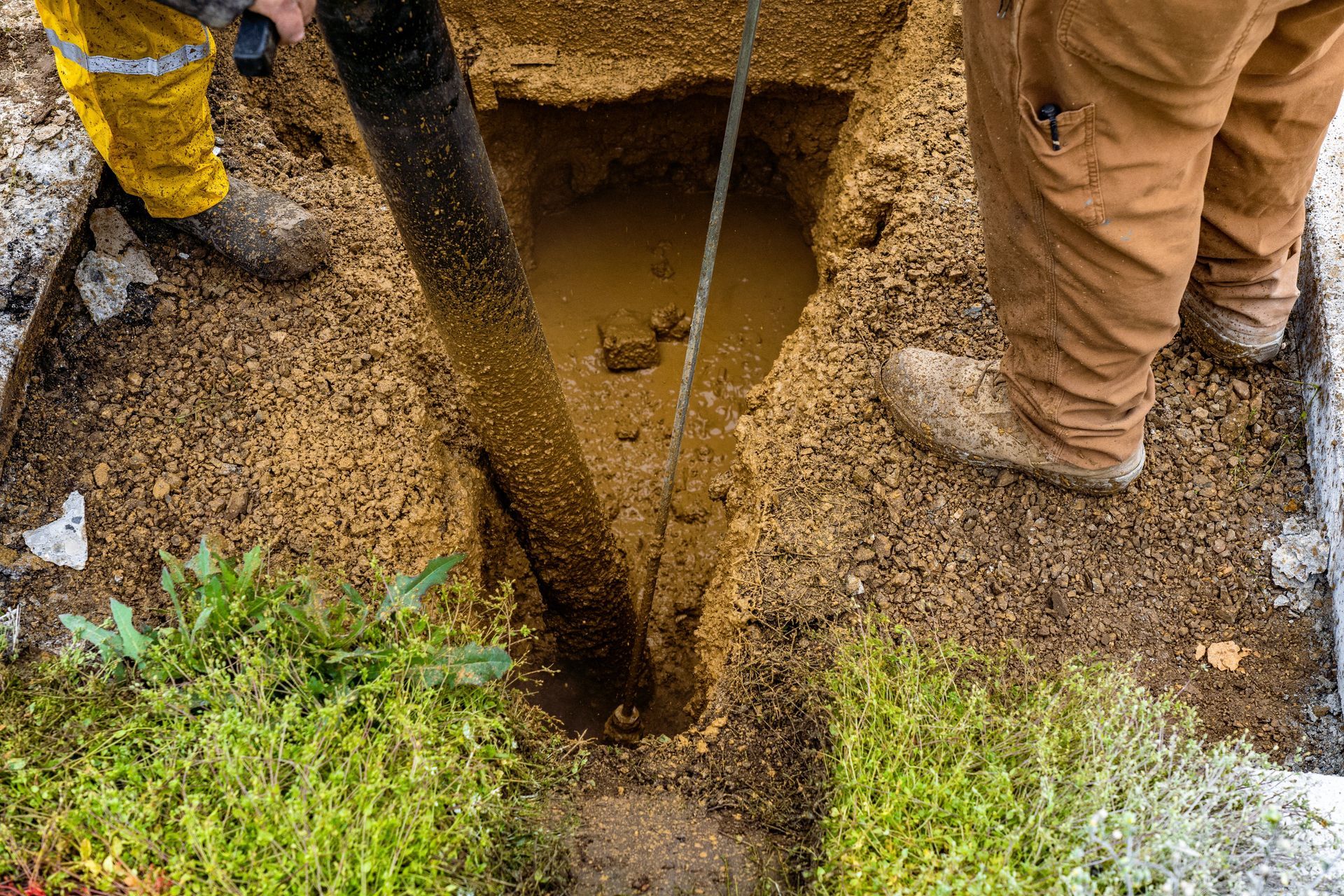
Excavation focuses on removing soil or rock with precision. It is typically the first stage when preparing land for foundations, structures or underground utilities. Skilled operators follow engineered plans to dig to specific depths and create stable areas for building work.
Typical excavation services include:
- Trenching for plumbing, drainage & electrical lines
- Foundation digging for new structures
- Removing unstable or unsuitable soil layers
This stage sets the groundwork for anything built above it, which is why excavation contractors on the Central Coast play such a crucial role in early site preparation.
How Earthmoving Supports Broader Site Works
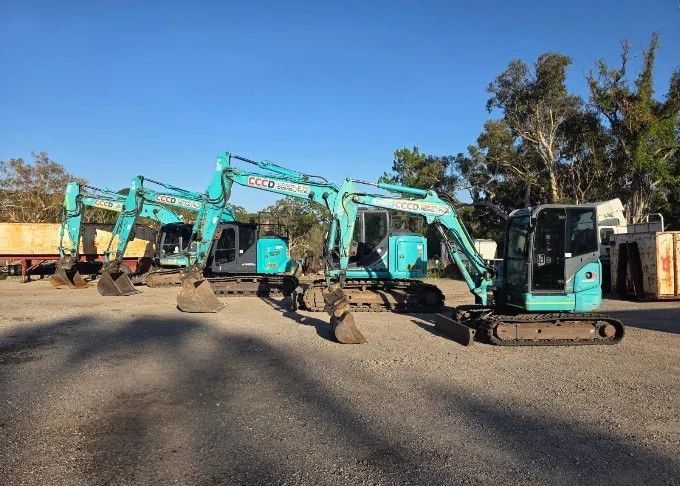
Earthmoving deals with shifting, spreading or reshaping large amounts of soil, sand or debris. It prepares the entire site rather than a single area. Earthmoving machinery is designed to handle bulk movement, creating the right gradients and levels for construction and drainage.
Key earthmoving tasks involve:
- Spreading & compacting fill
- Reshaping the land for access roads or platforms
- Moving spoil generated from demolition or excavation
While excavation is targeted and controlled, earthmoving services manage the broader landscape to ensure the site is workable and safe.
The Role of Excavation in Structural Stability
When creating footings, slabs or underground access points, the accuracy of excavation directly affects structural performance. Poor excavation can lead to uneven settling, cracking or future drainage problems. Contractors handling demolition often handle excavation too, as they understand how debris removal and ground preparation connect.
Professional excavation supports:
- Correct depth & alignment for foundations
- Safe working zones for trades
- Controlled removal of material without disturbing surrounding areas
These details are essential for long-term structural integrity, especially for projects beginning with specific requirements.
Why Earthmoving Is Key for Site Shaping
Earthmoving is crucial when preparing a site for safe equipment access, effective drainage and workable surfaces. Without proper shaping, even a well-executed excavation can become unsafe or impractical for further stages of construction.
Common earthmoving outcomes include:
- Creating level building pads
- Improving site drainage & erosion control
- Removing excess material after demolition activities
Earthmoving forms the broader environment that supports the finer excavation work, tying the entire site together.
Land Clearing as Part of the Process
Many jobs begin with clearing vegetation, debris or old structures. Land clearing is often handled by demolition contractors before excavation or earthmoving can start. This ensures the site is safe, accessible and ready for machinery.
Land clearing work may involve:
- Cutting & removing vegetation or stumps
- Clearing rubble or unsafe materials
- Preparing access routes for heavy equipment
These tasks support earthworks projects by creating a clean, workable foundation.
Site Preparation & Project Sequencing
Site preparation includes planning, clearing, excavation and earthmoving. Each stage follows a sequence to ensure safety and compliance. Demolition contractors often coordinate these stages, making sure the land is prepared efficiently and according to relevant regulations.
Site preparation covers:
- Assessing soil conditions & access needs
- Coordinating machinery & operator requirements
- Managing waste removal or recycling after demolition
Good sequencing ensures site preparation projects run smoothly without delays.
Matching the Service to the Project
Excavation and earthmoving are chosen based on project needs. A trench for utilities requires precision excavation, while preparing a large block for a new home typically needs earthmoving to shape the area. In many cases, both services are required at different stages.
Choosing between the two involves factors such as:
- Project size & scope
- Depth or volume of soil being moved
- Type of structure being built
Understanding this helps avoid unnecessary costs and ensures the right machinery and expertise are onsite.
Safety, Compliance & Professional Support
Excavation and earthmoving carry risks when not managed correctly. Soil collapse, underground utilities and unstable land all require trained operators and proper planning. Contractors involved in demolition often bring strong safety systems to site works, ensuring responsible land preparation.
Professional operators support safety by:
- Following engineered plans
- Assessing ground conditions before digging
- Using machinery suited to the terrain
This level of care is vital for excavation and broader earthmoving work where accuracy and control matter.
We at Complete Demolition help property owners, builders and developers manage everything from clearing a block to preparing a site for construction in the varied conditions across the Central Coast. If you are planning a project and need excavation or earthmoving support, our team can assess your site, recommend the right approach and provide safe, efficient machinery and operators. Contact our team today to organise a consultation.